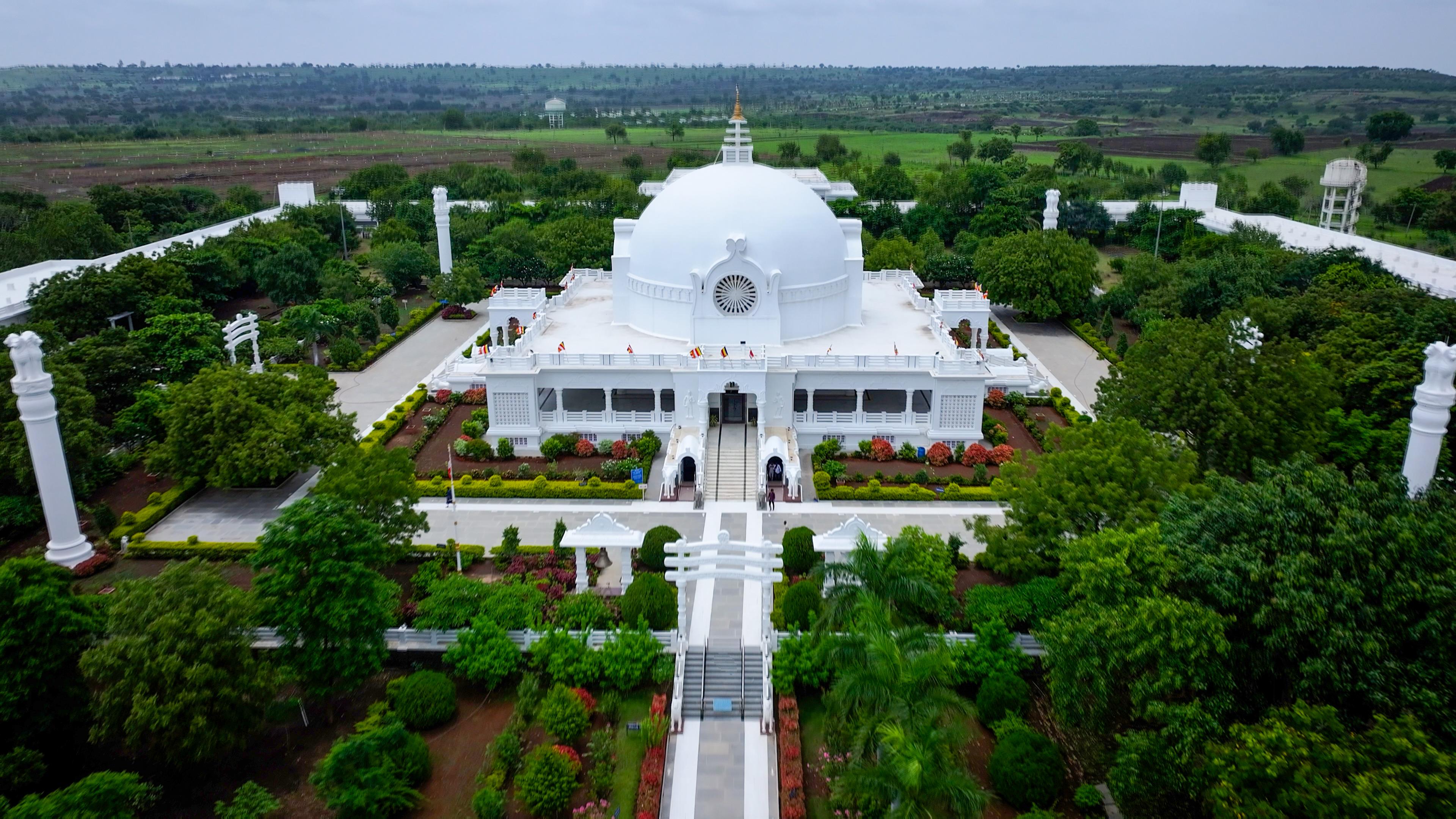
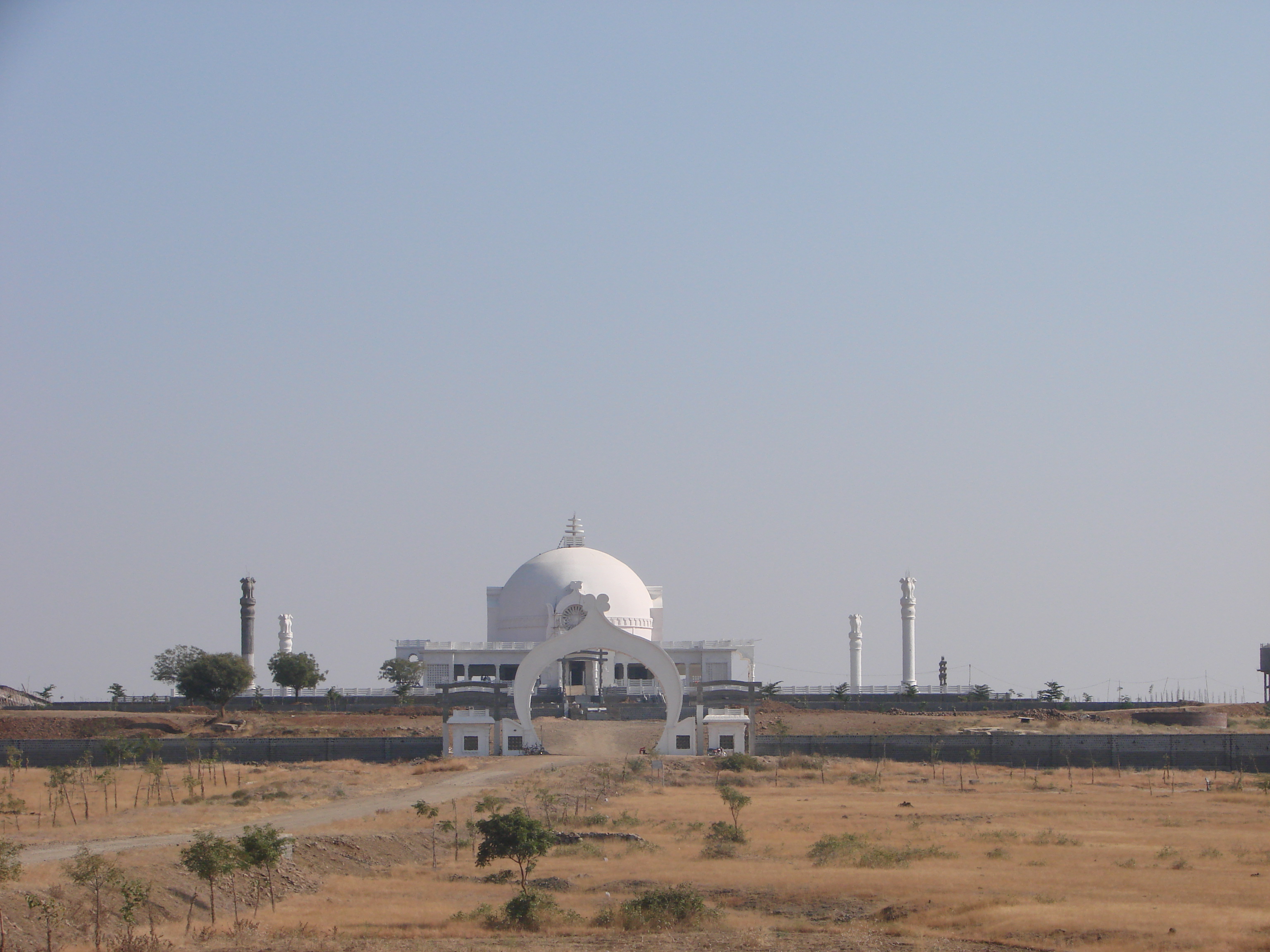
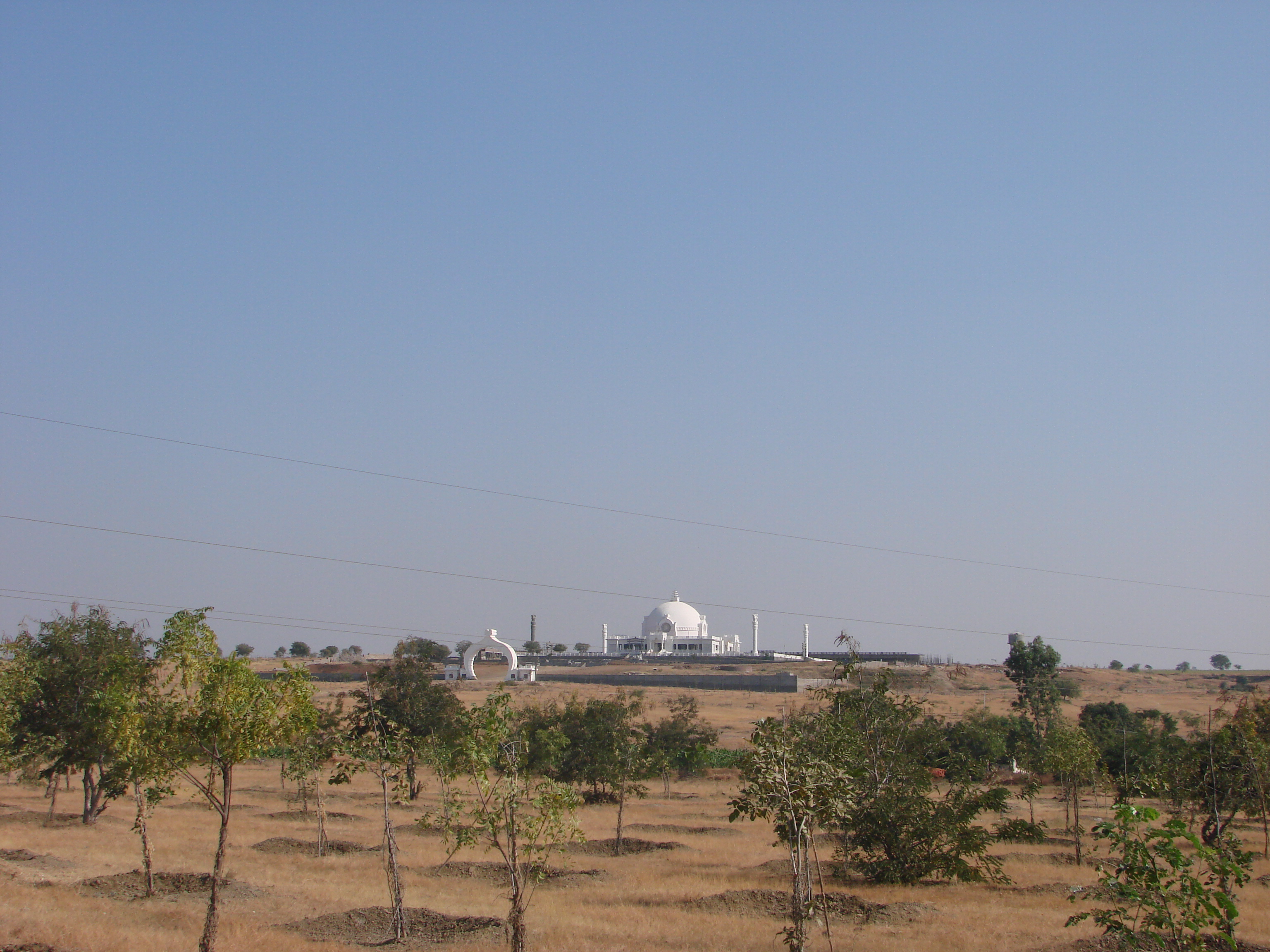
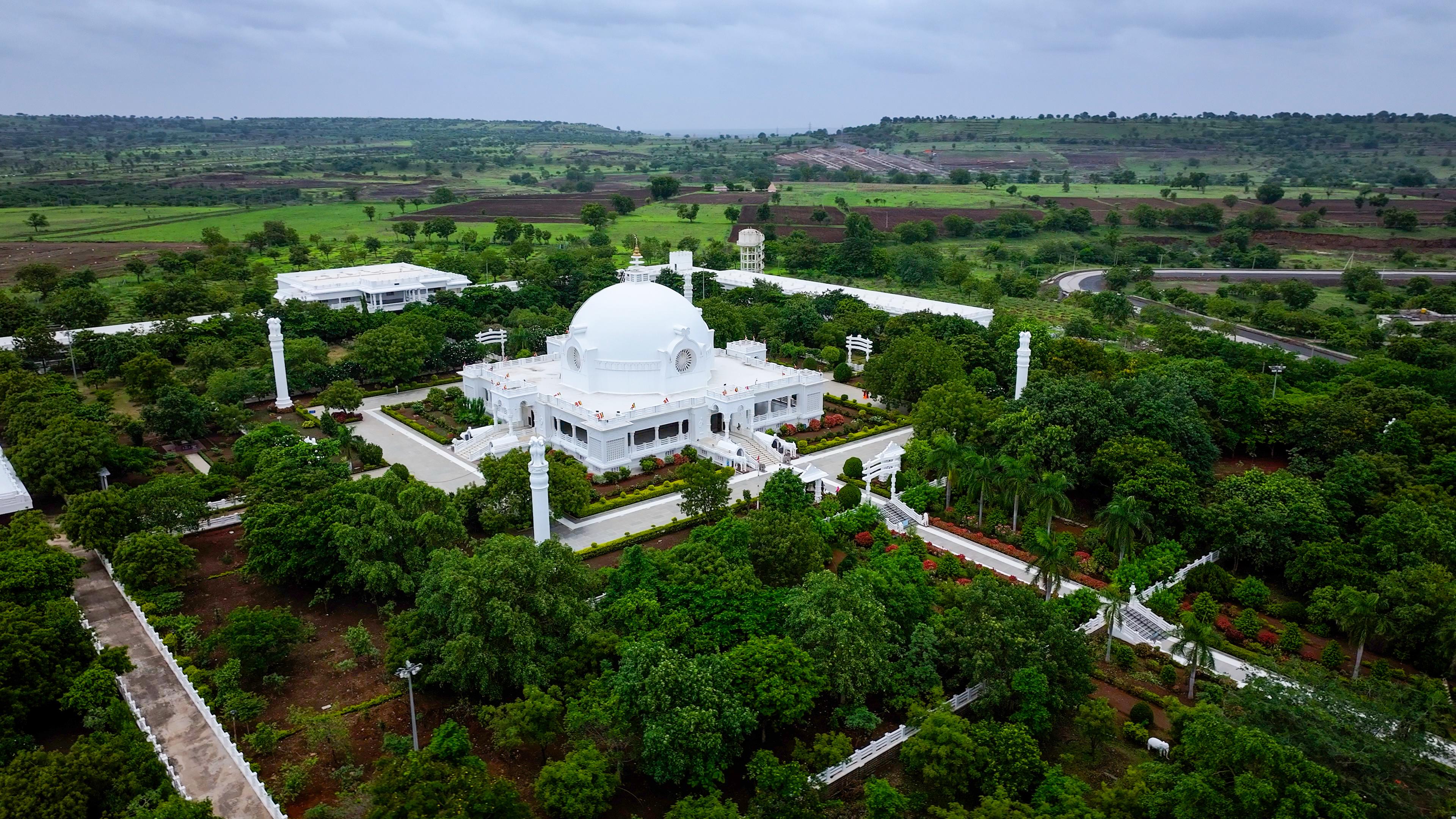
Buddha Vihar is located six kilometres from Kalaburagi city on Sedam road. The Vihara complex is spread over an area of around 24 acres.
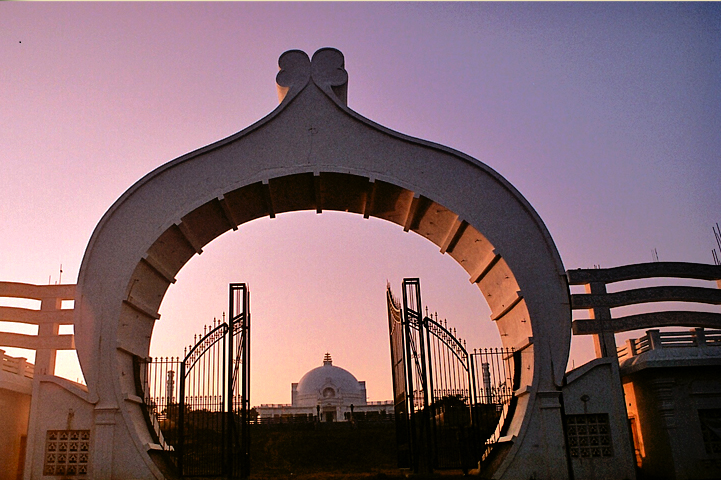
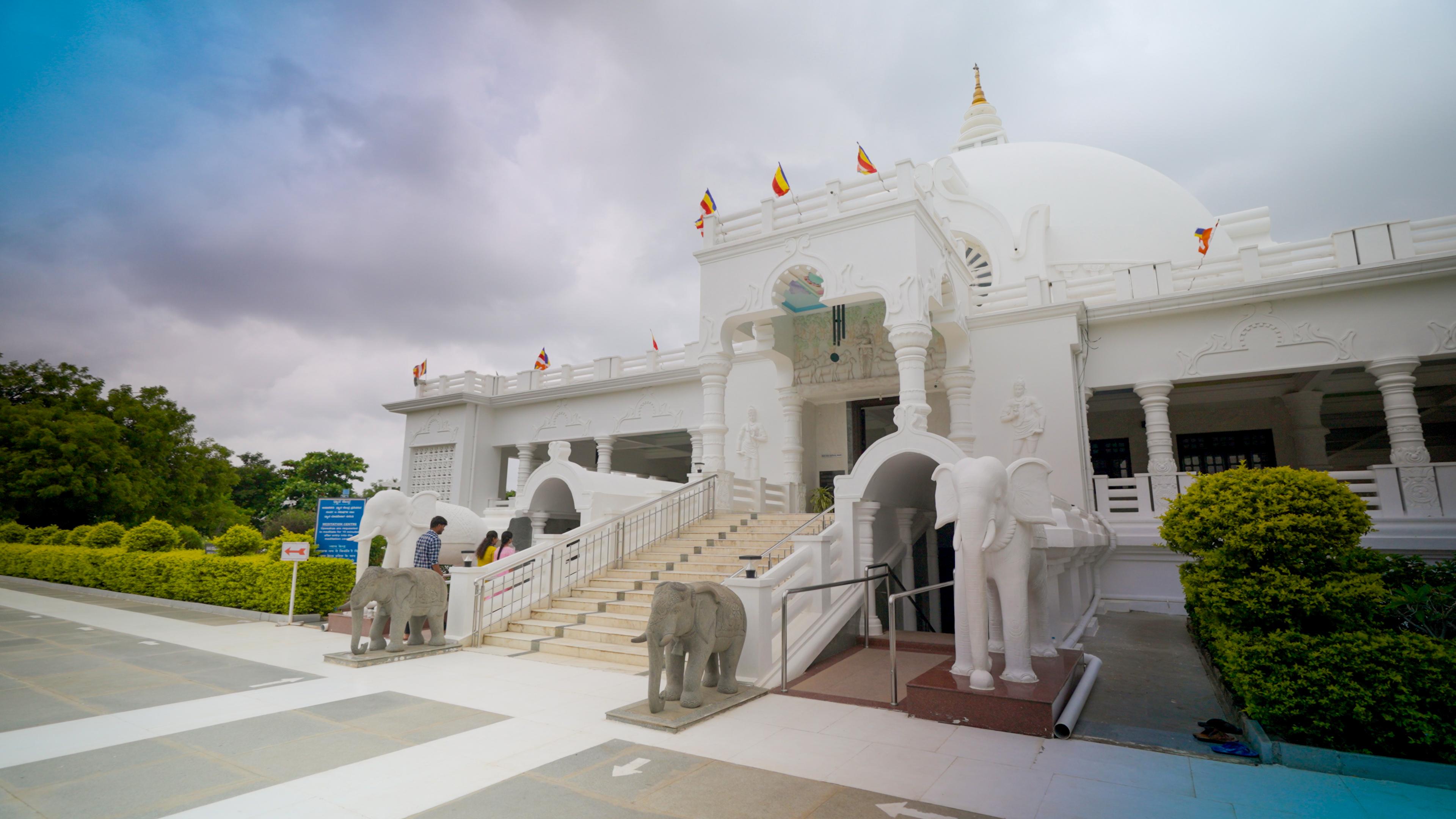
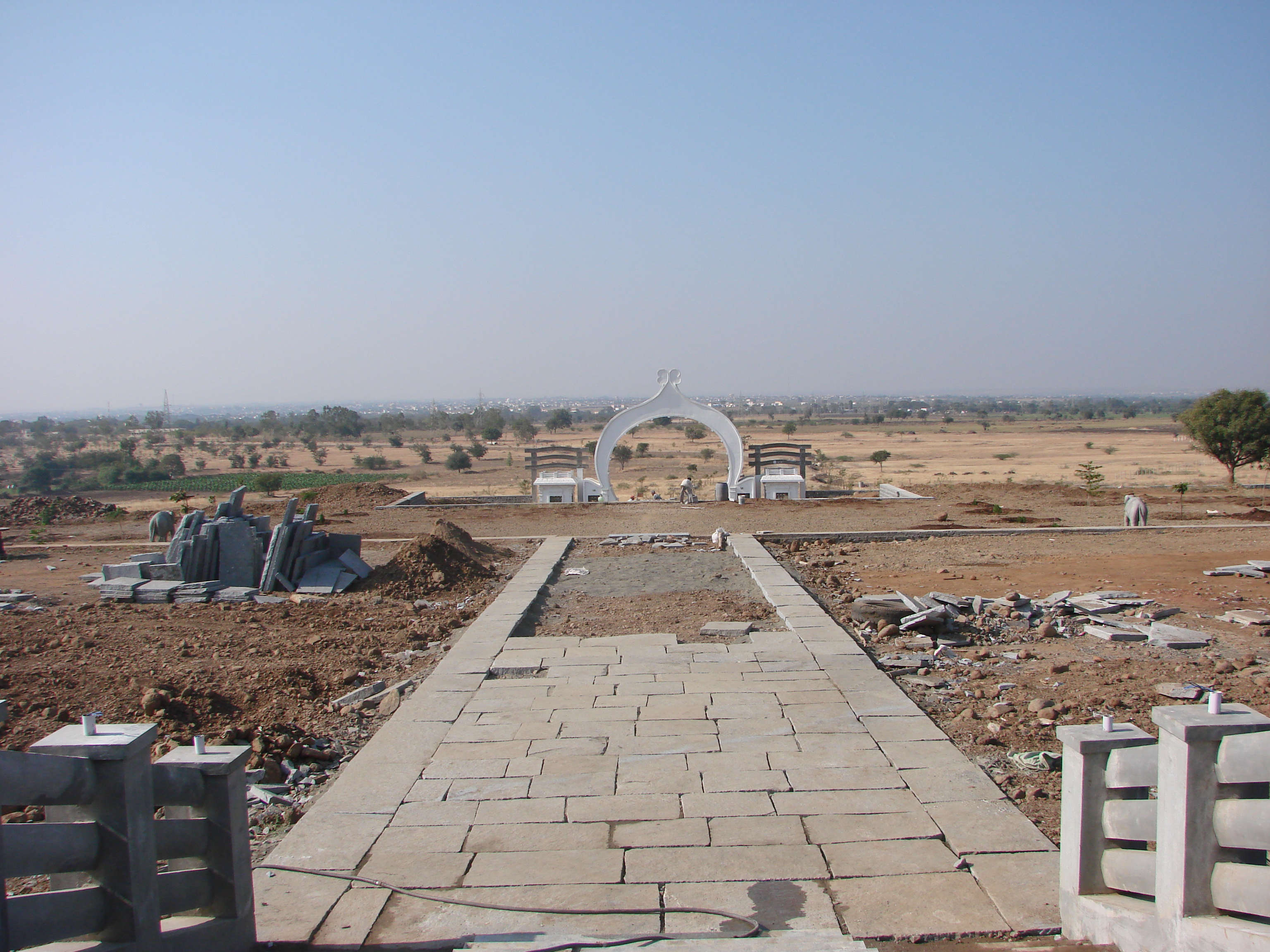
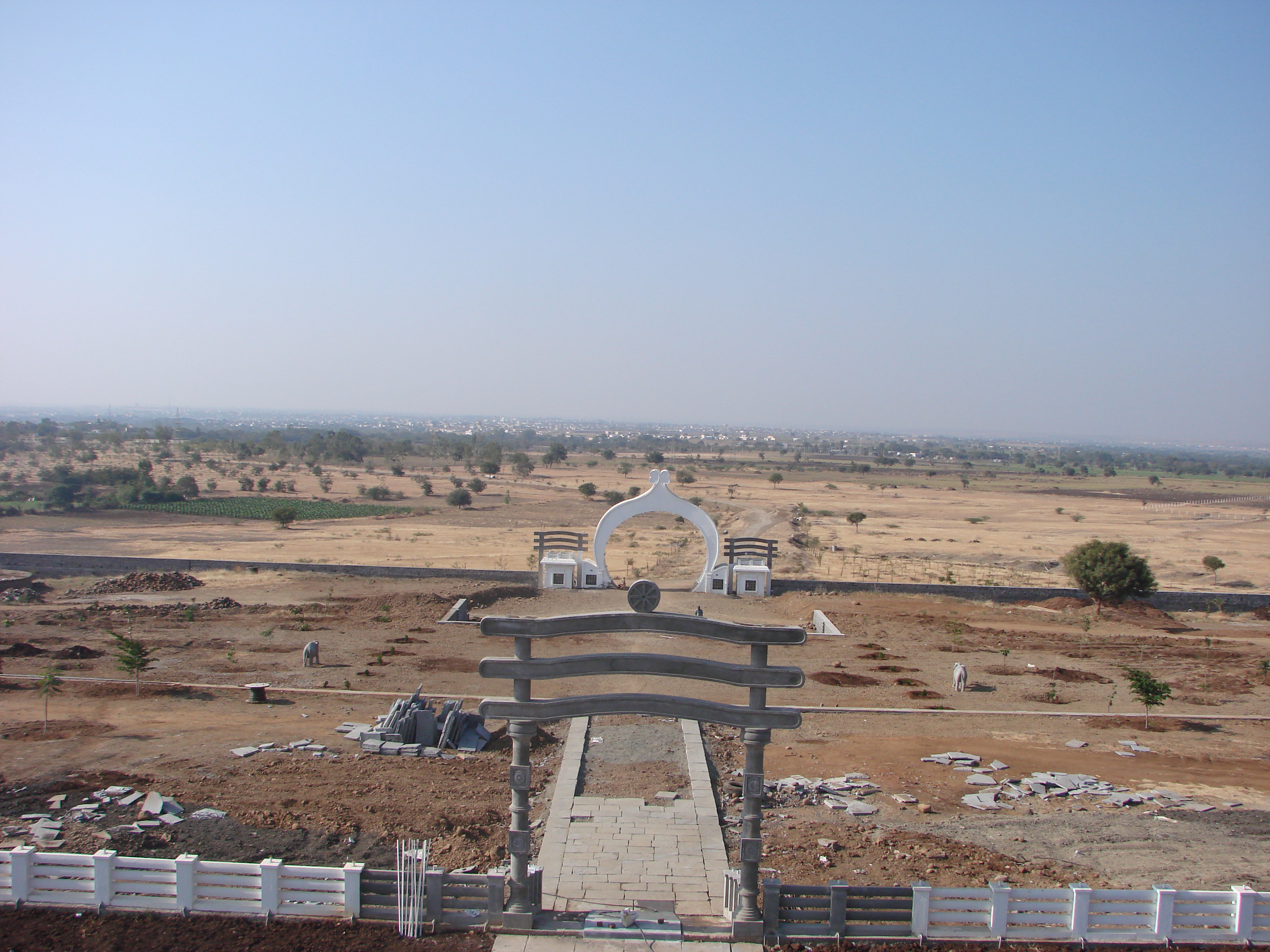
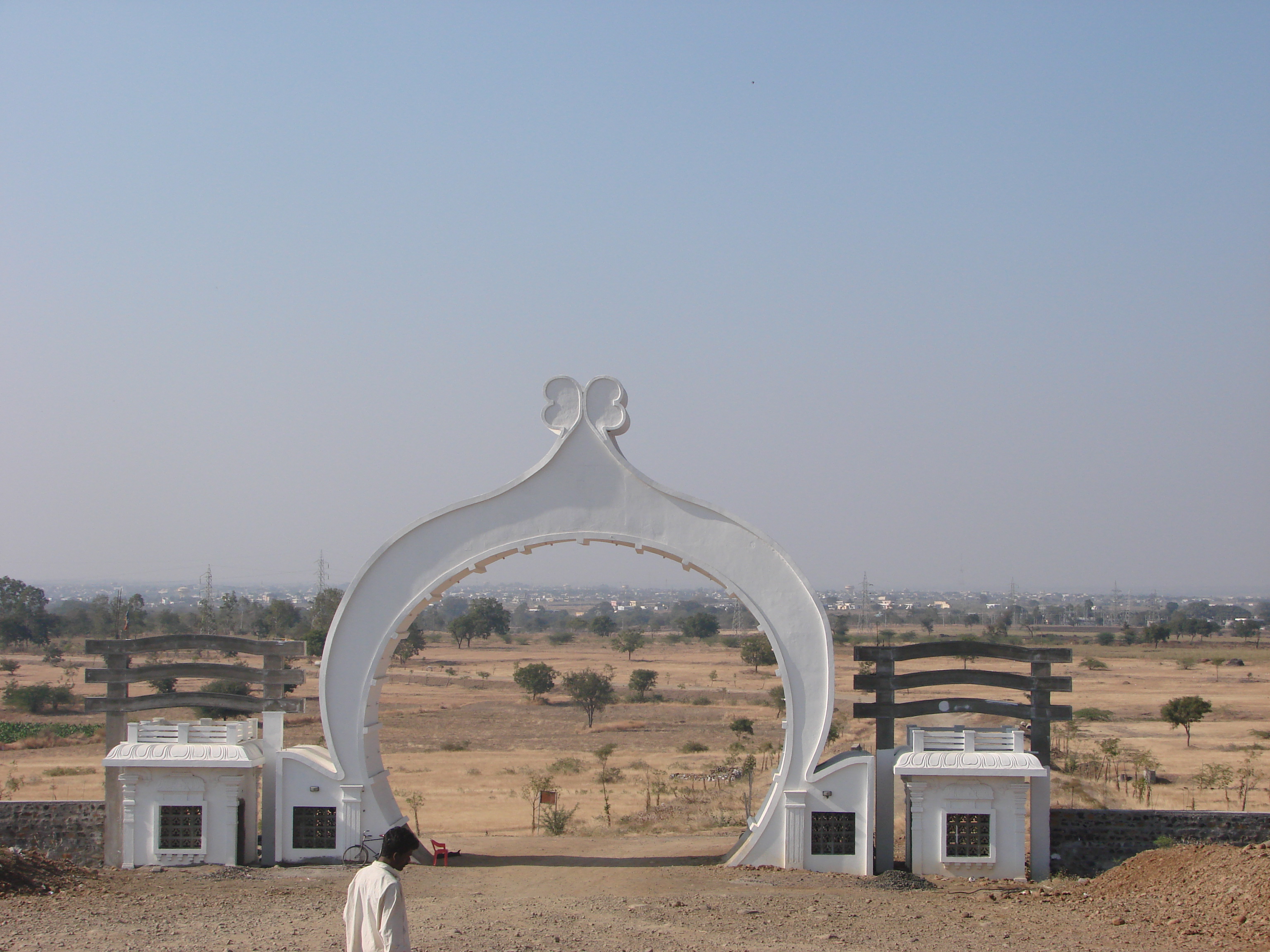
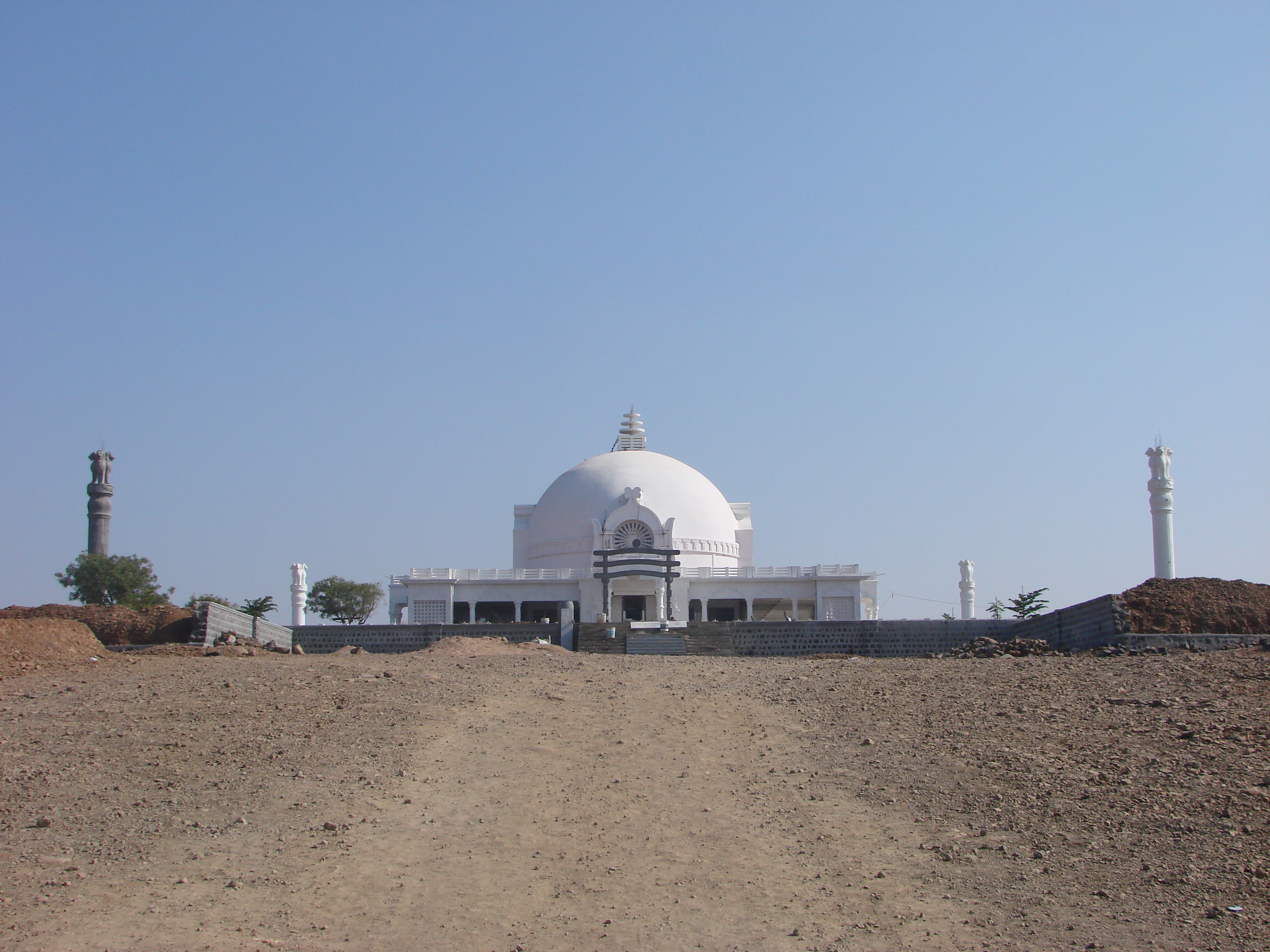
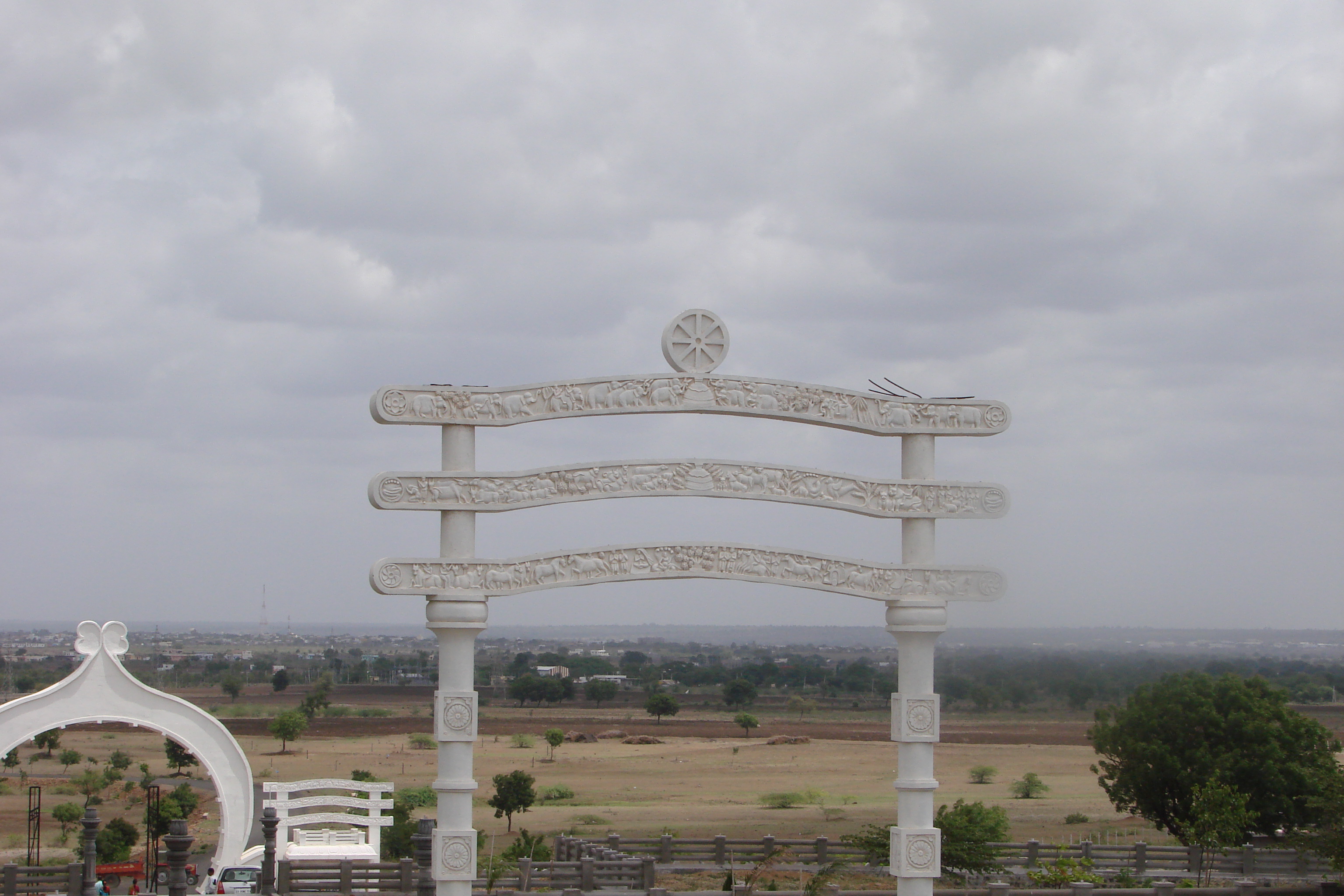
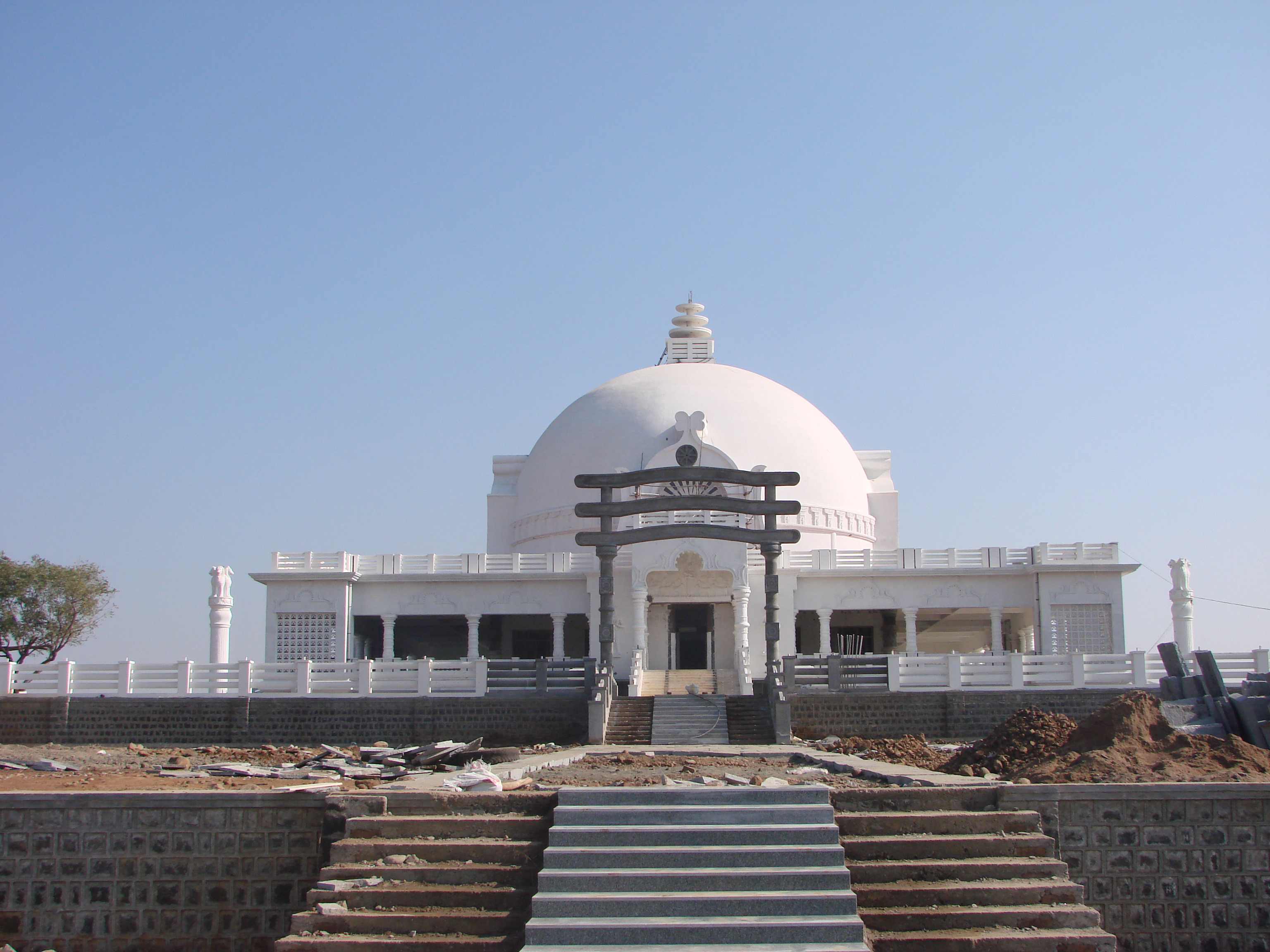
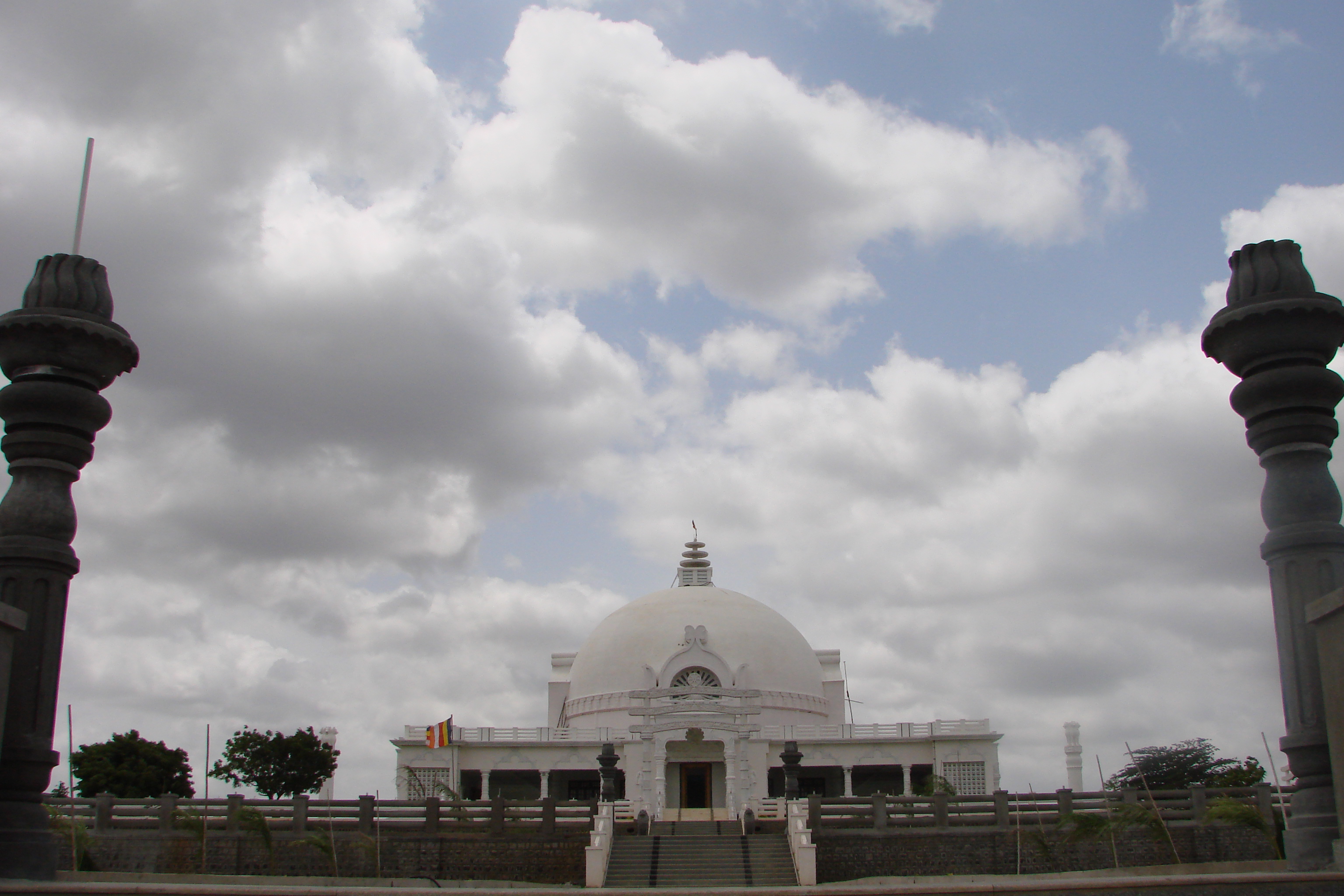
The Buddha Vihar is built on a small hillock that rises sixty feet above the ground level and built on three levels. Each level is about a hundred feet long. The path to the vihara is covered by greenery on both sides. The Vihara is about 500 feet from the main entrance and surrounded by gardens, flowers and fruit bearing trees. The Vihara is surrounded by four Ashoka pillars in the four directions in honour of King Ashoka the Great. The four entrances to the vihara are based on the Sanchi gate.
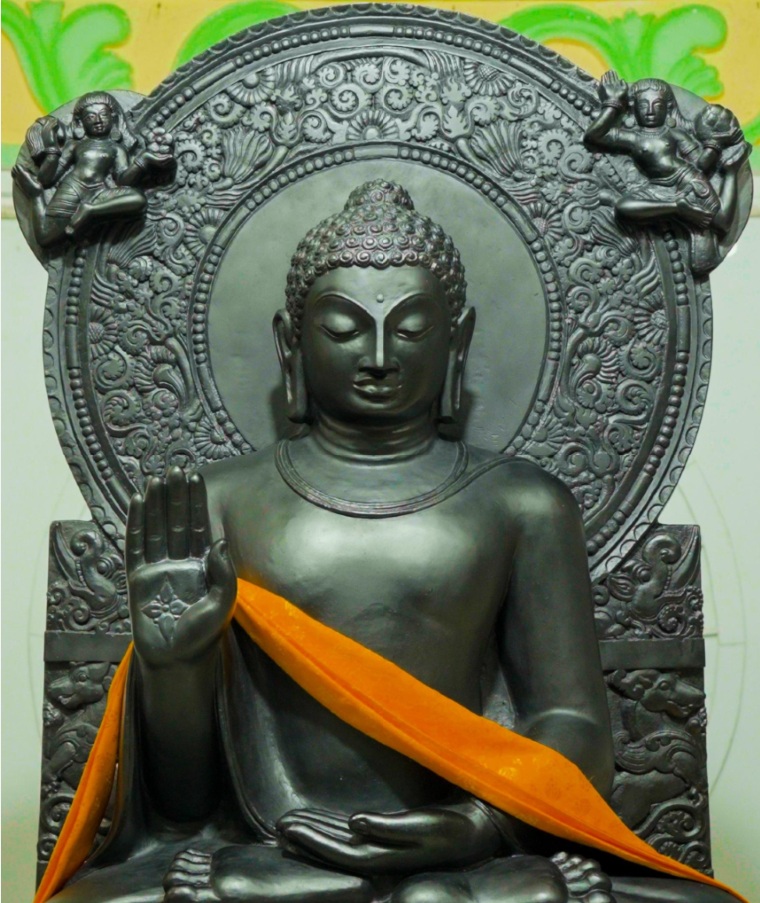
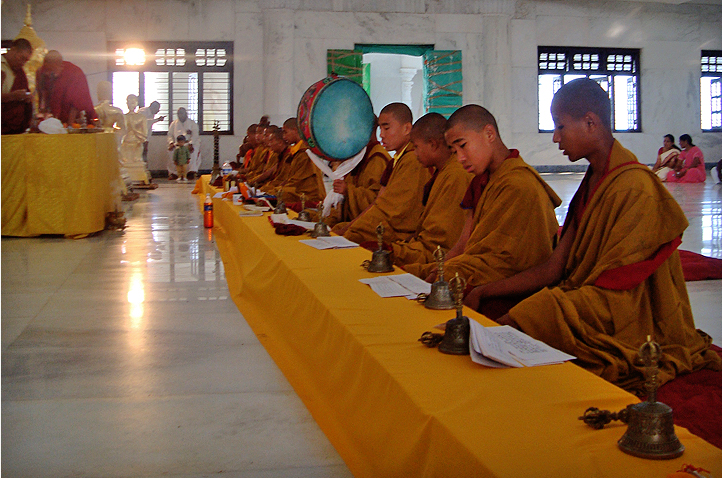
The Vihara's base structure is approximately 32,450 square feet and the entire structure rests on 170 pillars. There are around 284 blocks; every block is crafted to reflect the ancient Buddhist art of Ajanta and Ellora. The six foot tall Buddha idol in the prayer hall has been carved from single black stone. This unique statue has the compassionate and serene Buddha seated on a lotus with an aureole engraved with Yakshas and Yakshis. The Buddha radiates compassion for all mankind. This prayer hall is the main place of worship where prayers are led by the monks every day.
The main dome is 70 feet wide in diameter and 59 feet high and is tiled with marble. The dome has a spire made of panchaloha with a kalasha on top of it also made of panchaloha. The kalasha was installed during the visit of Her Excellency The President of India, Smt. Prathibha Patil and His Holiness The Dalai Lama to the Buddha Vihar in January, 2009.
The ground floor has a sanctum sanctorum where around two thousand devotees can be seated and offer prayers. The Sanctorum has a 24-foot wide corridor for circumambulation and is decorated with marble stone. The serene blessing Buddha is also the biggest sitting Buddha's idol in South India. It weighs 400 kgs and is made of Panchaloha and has gold coating. The idol was consecrated on Vijayadashami, 9th October 2008. The Buddha is flanked by his dearest disciples, Ananda and Kashyapa on either side.
The prayer roof tiara of the prayer hall consists of sculptures depicting important events in the life of the Buddha. Another important part of the monument is the 30 foot diameter and 20 foot wide Stupa at the entrance. The Vihara's entrance door is very intricately carved in rosewood. The Vihara has six such doors. The three doors to the prayer hall are carved out of teak wood.
The establishment and development of the Buddha Vihar at Gulbarga, which is one of the largest such viharas in South Asia is one of the most significant events in the revival of Buddhism in post independent India. The Vihara hopes to spread the message of peace, compassion and non-violence as taught by the Buddha in order to create a peaceful, egalitarian society where there is tolerance and understanding.
The main vihara was completed in the year 2008 and was inaugurated by the Hon’ble President of India, Smt Pratibha Patil and consecrated by His Holiness The Dalai Lama in 2009. The completion of the Vihara is a result of the hard work and generosity of countless workers, volunteers and well-wishers towards this noble cause.
In a very short span of time, the Buddha Vihar has emerged as a cultural and spiritual center not only for the people of Karnataka but also the neighbouring states of Maharashtra, Telangana and Andhra Pradesh. The two main occasions of the year, the Vaishaka Buddha Poornima and the Vijaya Dashami, attract more than a lakh of people to the Buddha Vihar. Tens of thousands of people visit the Buddha Vihar every month and especially on the day of the monthly poojas that fall on the Full Moon Day (Poornima). In the last two years, the Buddha Vihar has seen nearly 10 lakh annual visitors.
The Buddha Vihar has now been developing a research centre that includes a library that can house books of cultural and historical significance, a repository of ancient relics, a multimedia centre which can be a digital archive of ancient texts that can be made available to all scholars, and a dormitory for visiting research scholars. The vihara has been continuously hosting scholars not only from India but also from other countries.
Dhamma Pravachanas are regularly conducted in the vihara to spread the message of Buddha amongst the devotees and lay people. Free Vipasana meditation camps are organised frequently to help common people learn, understand and practise the ancient art of Vipasana meditation.
Cultural events showcasing plays and musical programmes based on Buddha’s life and Buddhist literature are organised twice every year on the two most important occasions of Buddhism in India which are Buddha Poornima in the month of May and Vijaya Dashami which falls in the month of September or October. These events are attended by tens of thousands of people and are free to the general public.
The Buddha Vihar complex was conceived and brought to life by the vision and efforts of our founder. The ideological commitment to the philosophy of the Buddha and his sincere desire to spread the Buddha’s message of Prajna and Karuna to everyone led him to embark on this long journey in the year 1994. The dream was realised in the year 2008 when the Buddha Vihar was consecrated. The vihara is built on the foundation of the ancient Buddhist philosophy of peace, compassion, non violence, tolerance and understanding. Progress has been steady even if slow at times due to constraints, but the persistence and persevrance of our founder and the support of all our well wishers have brought this vihara to life.
Over the last 18 years, the Buddha Vihar and the city of Kalaburgi has developed as a major pilgrimage centre for the devotees of Buddhism from across South India. Lakhs of devotees have been visiting Buddha Vihar every year and in turn this has resulted in increased interest in other Buddhist sites like Sannathi in Kalabrugi which is a place of historic and archaeological importance.
While much has been achieved over the last two decades, we know that there is much more to do. The Wheel of Dhamma, the Dhammachakka is alays turning and the work of Dhamma continues till there is peace throughout the world. We strive to build a world based on Peace, Non Violence, Compassion, Tolerance and Understanding.